
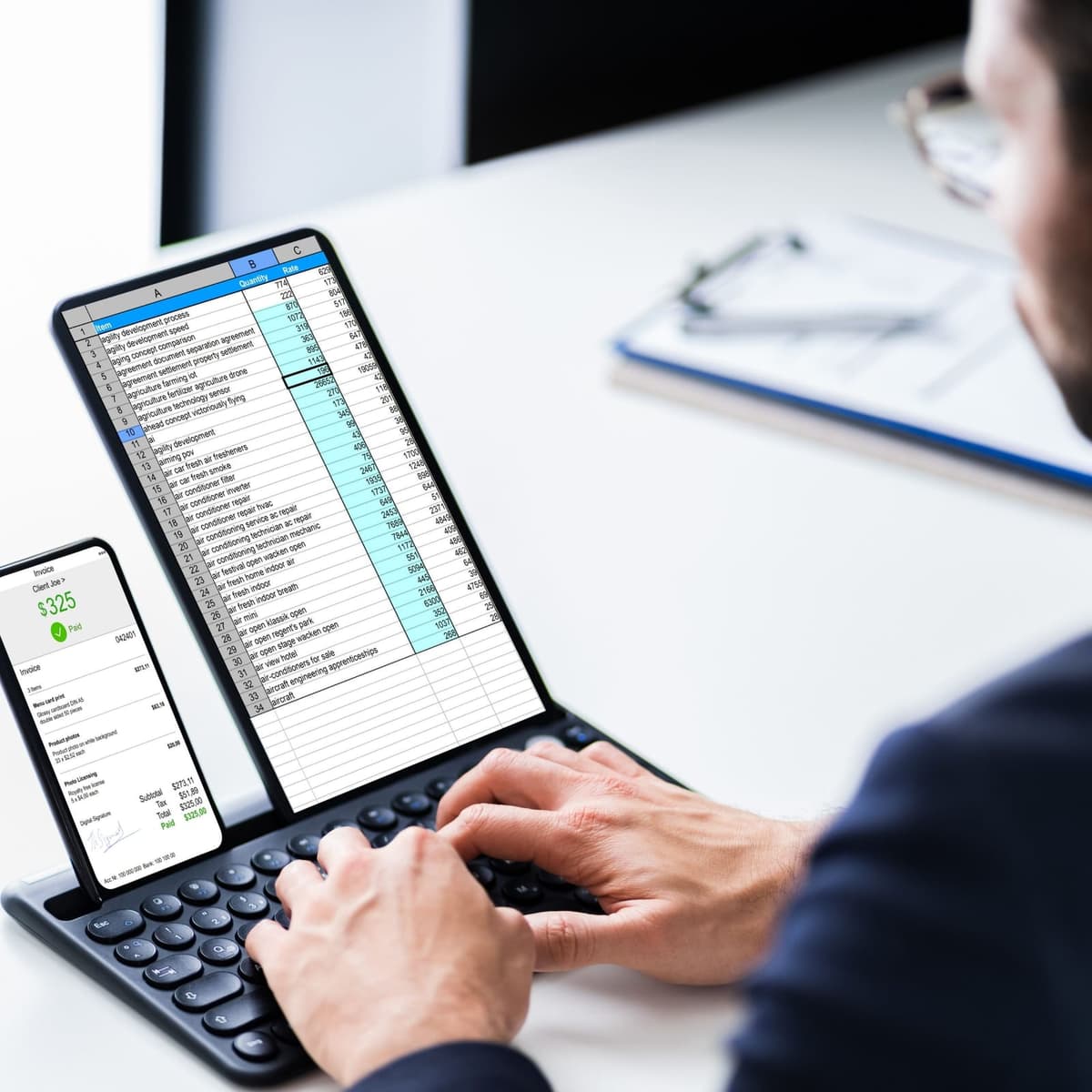
The term "e-invoice" gets defined in many different ways, so it is important to clarify what we mean by it.
By our definition, a true e-invoice is an invoice that is issued, received, and processed electronically. From the moment it is created in the issuer's financial system to the moment it is received and processed by the recipient, it remains digital. In other words, true e-invoicing is electronic across its entire lifecycle. Some companies send PDF copies of invoices over email; these can be printed or scanned to paper and later entered into the books, but that is not true e-invoicing.
What Are the Benefits of Using E-Invoicing?
Electronic invoicing delivers benefits for both suppliers and buyers. Among them: reduced costs, shorter payment cycles, and stronger supplier and customer relationships.
- Faster Payments
With electronic invoicing, suppliers can skip the steps required for paper or PDF invoices. That process is known to be slow, and there is always a risk of invoices getting lost. By contrast, e-invoices can be accessed easily from the buyer's system, which means they can be routed and processed much faster.
- Lower Costs
By using electronic invoicing instead of traditional paper invoicing, suppliers can reduce the time and money spent on printing, storage, and processing.
- Fewer Disputes
Paper invoices often lead to disputes and rejections, which can drive up costs significantly. With e-invoicing, the information and data from the supplier's system can flow directly into the customer's accounting system.
Want to cut paper usage and stop drowning in stacks of receipts? Take a closer look at our app — built to move your expense process fully digital — with our 7-day free trial.